INTELLIGENCE THAT
shows why.
SKOPAQ builds agent systems for high-stakes operations, starting with anomaly investigation for satellite operators. Every claim carries its source, and a person signs before anything ships.

Method
Agents do the work. Gates decide what ships.
Specifications are approved by a person, then written, built and benchmarked by agents working in sandboxes — and nothing reaches main until the tests, the static guards and the citation checks have all passed.
Five capabilities · every check runs in CI and fails the build
The methodONE METHOD FOR THE
entire AI stack.
What comes in, what the agent workforce does with it, and what it connects to — with a gate at every layer.
What comes in
- Jantar — satellite anomaly investigation
- Argus — autonomous testing
- Routera — AI model gateway
- Telemetry and sensor streams
- Documentation and operations records
- Codebases and running applications
- Synthetic reference sets
- Engineers, who approve the plan
- Reviewers, who own the reference sets
- Operators, who execute every step
 SKOPAQ AI
- 01 · IntentAgents draft. People approve. Nothing is built from an inferred requirement.
- 02 · ArchitectureSchema first, so the contract exists before the implementation does.
- 03 · BuildParallel, sandboxed, and reachable only through a typed bus.
- 04 · VerificationEvery diff meets the same gates. Any failure blocks. There is no warning tier.
- 05 · OperationSystems patch what they can and escalate what needs a decision.
- 06 · The answerEvery claim carries its source, or it is not served.
What it connects to
- Frontier models
- Open-weight models
- Fine-tuned models
- Typed tool bus
- Telemetry and document stores
- Version control
- Sandboxed execution
- Cloud
- Edge
- Fully air-gapped
Every box names something the products run today · no vendor logos, because none of these are partnerships
Read the method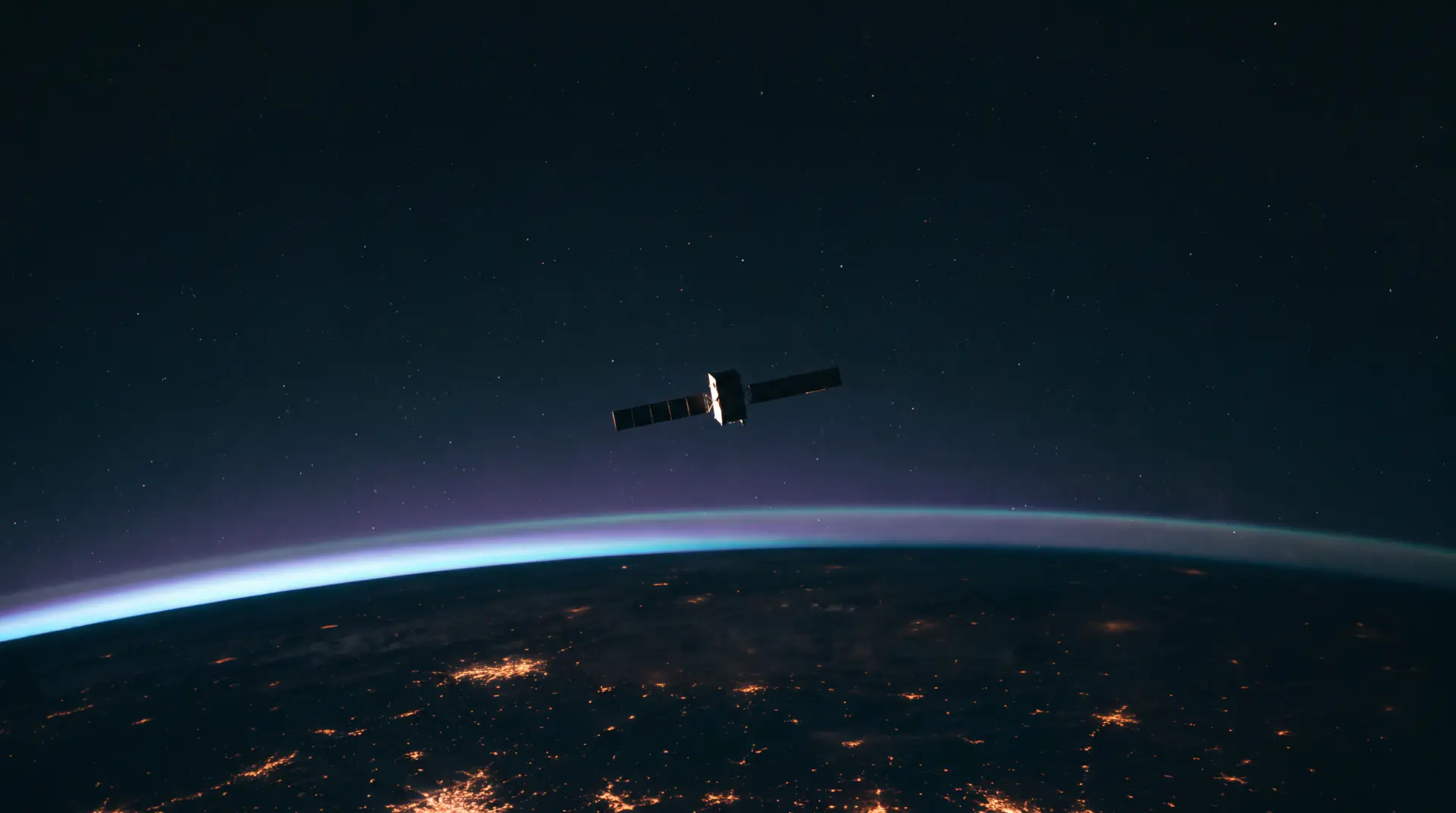
Satellite operations
The alarm is not the hard part. The investigation is.
An operator still cross-references the telemetry, the operations manual and the failure analysis by hand — Jantar does that pass and returns a root-cause account with a drafted recovery, every claim carrying the document it came from.
Advisory only — a human executes every step · Live at jantar.space
Explore Jantar
Autonomous testing
Nobody writes the tests
Point Argus at a codebase and a running application: it reads the code, plans the coverage, drives the browser, checks the API and the database, and repairs the selector when the interface moves instead of failing the build.
Engine open source under MIT · github.com/Skopaq-AI/argus-backend
Explore Argus
Products
Three systems, and what each one is not
Satellite anomaly investigation, autonomous testing and an AI model gateway — each entry says what it does, what it does not do, and whether you can read the source.
Three entries · two on a public URL · one open source under MIT
All products